Blog
5 Common Mistakes to Avoid When Importing Shock Absorbers from China

For global buyers sourcing shock absorbers from China, cost-effectiveness and reliable quality are key—but small missteps can lead to delays, extra costs, or subpar products. Below are 5 common mistakes to avoid, ensuring a smooth import process and value for your investment.
Mistake 1: Prioritizing Price Over Quality
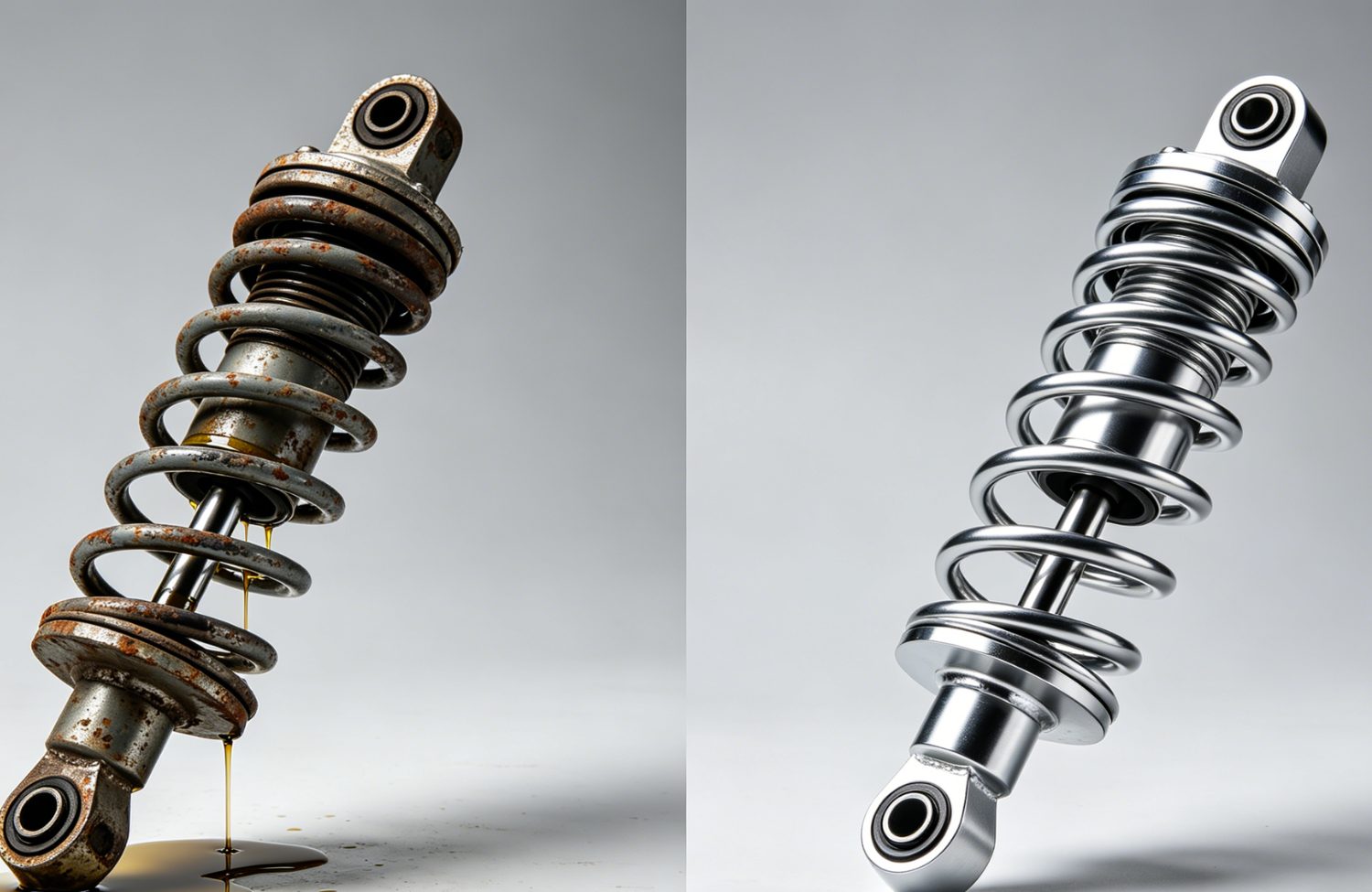
Choosing suppliers solely for low prices often backfires. Cheap shock absorbers use inferior materials (e.g., weak springs, low-grade hydraulic oil) and skip quality testing, leading to frequent breakdowns, leaks, or poor performance in harsh conditions (heat, dust).
Fix: Focus on value, not just cost. Ask for material certificates and test reports (e.g., fatigue, temperature resistance) to ensure durability.
Mistake 2: Ignoring Regional Compliance
Different markets have unique regulations (e.g., EU RoHS, Middle East high-temperature resistance, Southeast Asia anti-dust requirements). Overlooking these can result in shipments being held or rejected.
Fix: Clearly inform suppliers of your market’s standards—reputable suppliers like Yuma offer customizations to meet regional rules.
Mistake 3: Skipping Sample Testing
Never place large orders without testing a sample first. Samples let you verify fit, performance, and compatibility with your vehicles, avoiding costly mismatches.
Fix: Request a sample to test for durability, fit, and performance before finalizing orders.
Mistake 4: Neglecting After-Sales Support
Poor after-sales service (e.g., no technical support, delayed replacement parts) can disrupt your operations if issues arise (e.g., faulty components).
Fix: Choose suppliers with reliable after-sales, like Yuma, which offers timely technical assistance and replacement support.
Mistake 5: Overlooking Supplier Capabilities
Not verifying a supplier’s production capacity (e.g., smart manufacturing, bulk delivery) can lead to delayed shipments or inconsistent quality.
Fix: Check the supplier’s production scale, quality control processes, and export experience to ensure stable supply.
By avoiding these mistakes, you’ll streamline your import process, secure high-quality shock absorbers, and build a reliable partnership with Chinese suppliers.